New report on Broomfield Park Water Quality
Improving biodiversity and mitigating pollution
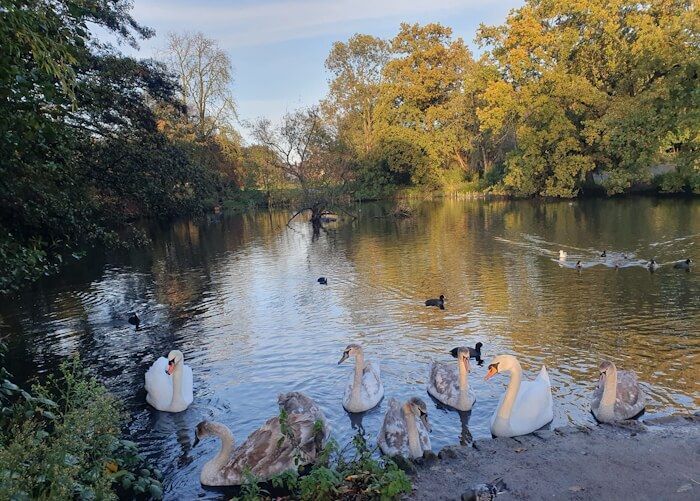
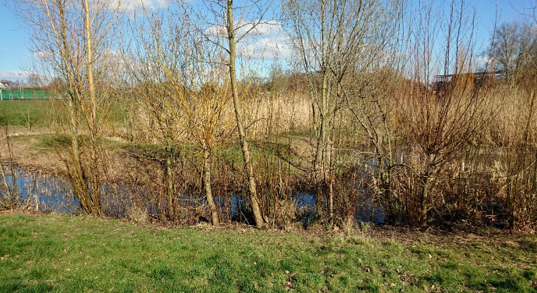
A new report from the Friends of Broomfield Park volunteer Lakes Team outlines water quality issues, monitoring results, and remedial actions for Broomfield Park’s three lakes, wetlands, and a wildlife pond.
Historic watercourse alterations and modern drainage have impacted on the water sources that flow into the park and the routes that drain toward Pymmes Brook.
Pollution and Water Quality Issues
Unfortunately the lakes are highly polluted, especially the Upper Lake, with ammonia and phosphate levels classified as 'Bad' according to Environment Agency standards. Ecological surveys reveal very poor biodiversity and high pollutant levels in the lakes, while the wetland and wildlife pond are in significantly better condition. Pollution sources include misconnections in household plumbing (e.g., wrong pipes for waste water) and failing Edwardian sewage systems, compounded by blockages.
Monitoring and Interventions
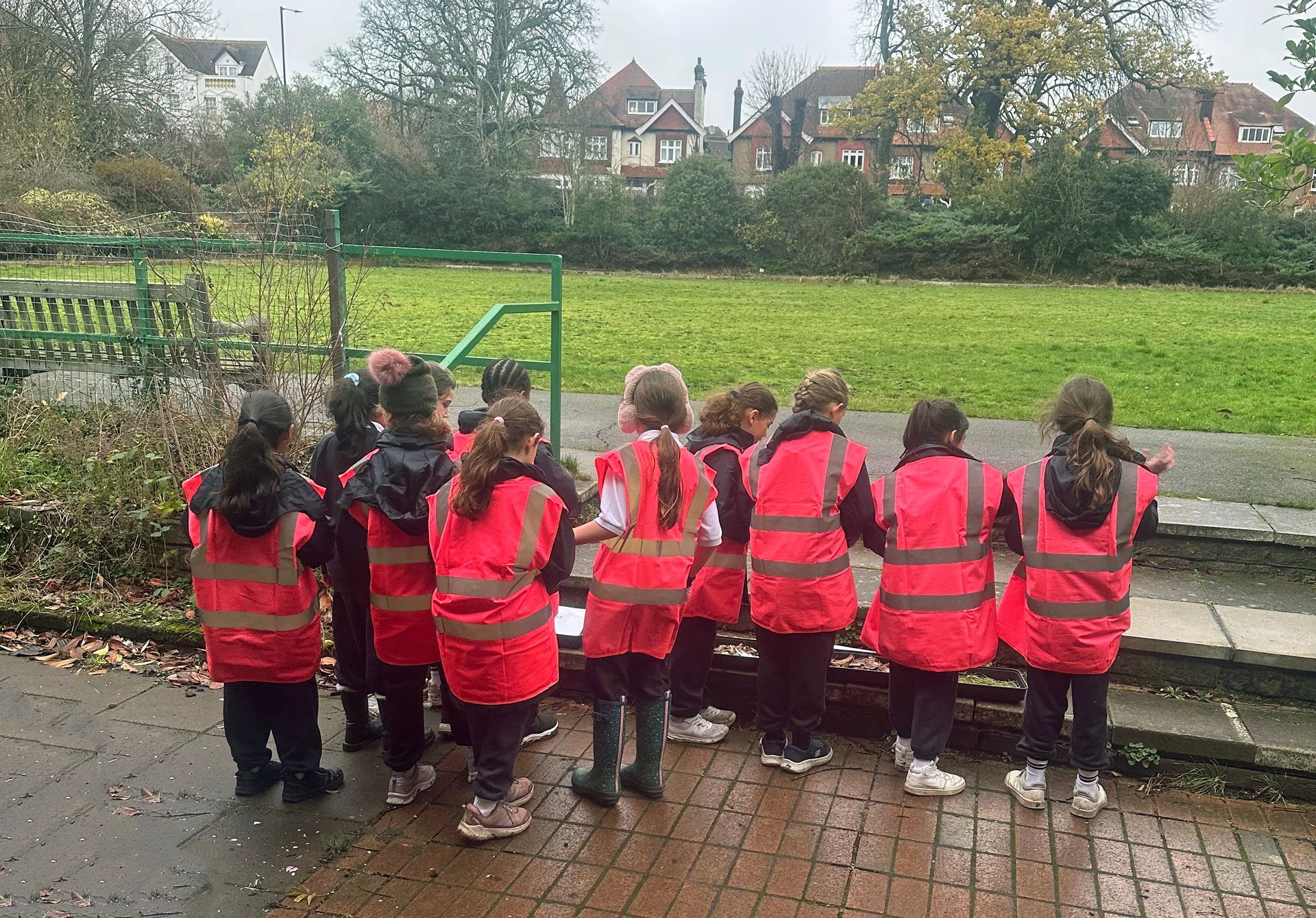
Since 2025, the Friends of Broomfield Park (FoBP) Lakes Team, in partnership with Enfield Council, Thames Water, Thames 21, and the Environment Agency, has conducted regular water quality testing (for ammonia, phosphate, oxygen, solids,and other pollutants). Thames Water’s 2026 programme identified 72 upstream properties contributing to pollution; corrective actions are ongoing.
Effectiveness of the Wetland
The wetland significantly reduces ammonia and phosphate levels in water leaving the park; regular maintenance by FoBP volunteers, especially encouraging reed growth, enhances pollution control in this area.
Ecological & Wildlife Impact
High pollution and silt have reduced species diversity and caused health problems for the water fowl in the park including decreased swan reproduction and bird deaths, particularly during drought.
Recommended Actions & Next Steps
The report recommends continued work to identify pollution sources and remediation of faulty household connections north of the park. Maintenance of the wetlands in the park is important to help improve both water quality and biodiversity. The Lakes Team volunteers will continue water quality monitoring, public education, and collaboration with relevant agencies and implement improvement projects. Overall the report emphasises the urgent need for multilateral action to restore water quality and avert further ecological decline in Broomfield Park.